Your Early Fall Home Maintenance Plan for Metro Detroit
September 9, 2026 edition • By Kindred Home Services
Catch-up edition · Published September 21, 2026
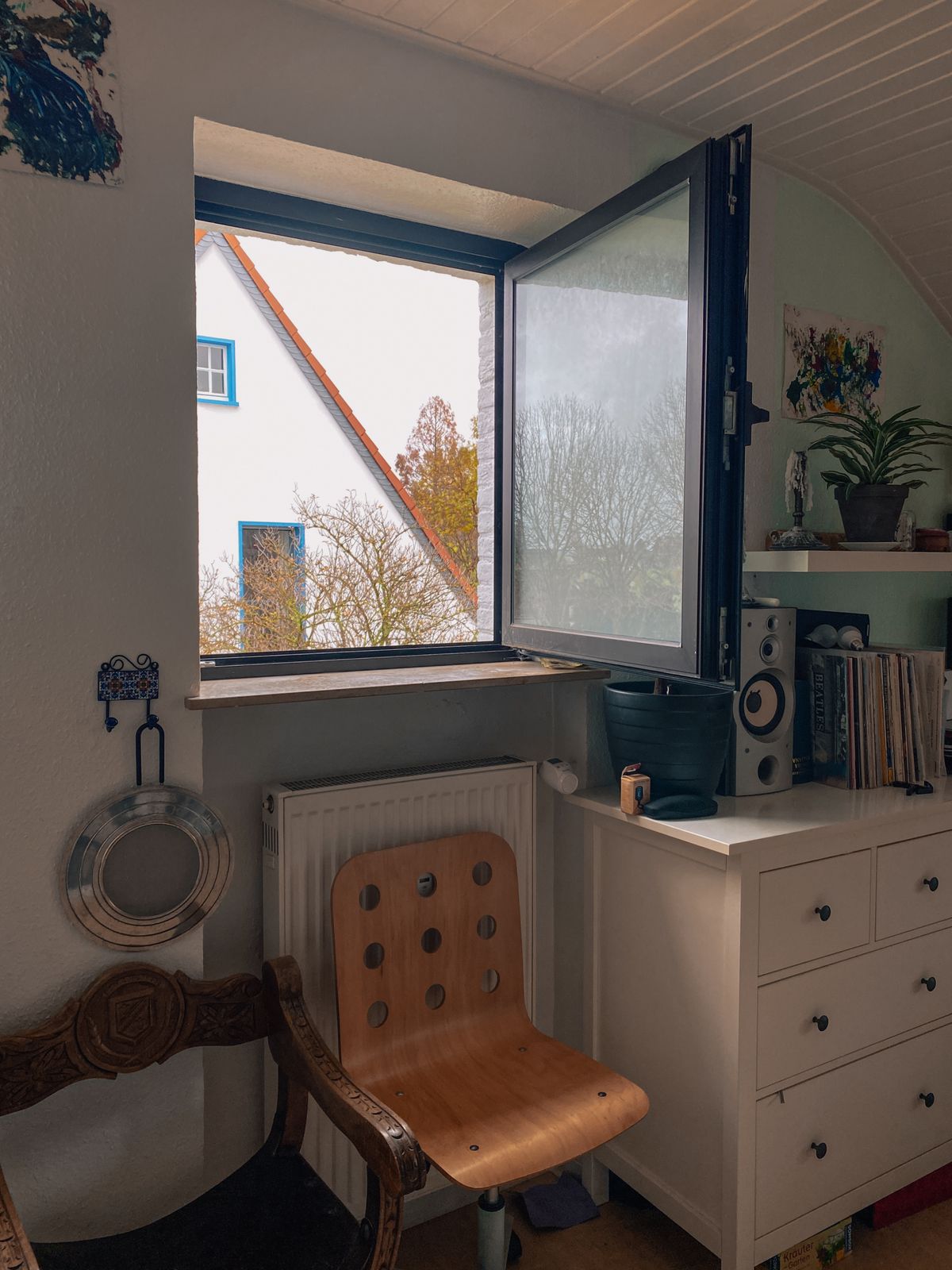
September is a useful time to take stock of your home before colder weather changes how you use it. You do not have to tackle every improvement at once. A short inspection from accessible areas, a few clear photographs, and a prioritized list can help you decide what needs attention now and what can become a later project.
Take a simple walk around the home
From ground level, look for visibly loose trim, damaged surfaces, gaps around exterior openings, and places where water seems to collect. Indoors, note new stains, damp areas, doors that are difficult to use, and recurring maintenance problems. Record what you see instead of guessing at the cause.
Take one wide photograph and one closer photograph of each concern from a safe, accessible position. Add a brief note about when you first noticed it and whether rain, wind, or temperature seems to change it. This gives the contractor a useful starting point for the visit.
Put water concerns ahead of cosmetic updates
An active leak deserves a different place on the list from a paint color you no longer like. The EPA's moisture guidance emphasizes correcting the water source rather than only treating the visible surface. Have unexplained dampness or recurring stains assessed before planning new finishes over them.
Keep the scope of any follow-up repair clear. Ask what can be confirmed during the visit, what needs further investigation, and how any additional work will be discussed. This helps keep a maintenance project from becoming an open-ended list of assumptions.
Check doors and windows for air leaks
Notice where you feel drafts and whether existing seals look worn or damaged. The U.S. Department of Energy identifies caulking and weatherstripping as common ways to reduce air leakage. The appropriate approach depends on the opening and its condition, so ask for an assessment rather than assuming every window needs replacement.
Include sticking doors, damaged thresholds, and trim repairs in the same discussion. Describe the problem you experience in daily use. If comfort is your main concern, say so; it helps focus the proposed work on the result you want.
Build a workable schedule and request a clear estimate
Group your list into repairs that need prompt attention, useful seasonal work, and optional improvements. Then identify which items you want priced now. Give each contractor the same list so the proposals address a comparable scope.
Confirm materials, access, cleanup, anticipated timing, and how changes will be approved. Ask about availability directly instead of relying on a general seasonal promise. Keep the estimate, selection notes, and progress photographs together so it is easy to see what has been completed and what remains on your home maintenance list.