Choosing New Flooring for a Busy Detroit Home
August 12, 2026 edition • By Kindred Home Services
Catch-up edition · Published September 21, 2026
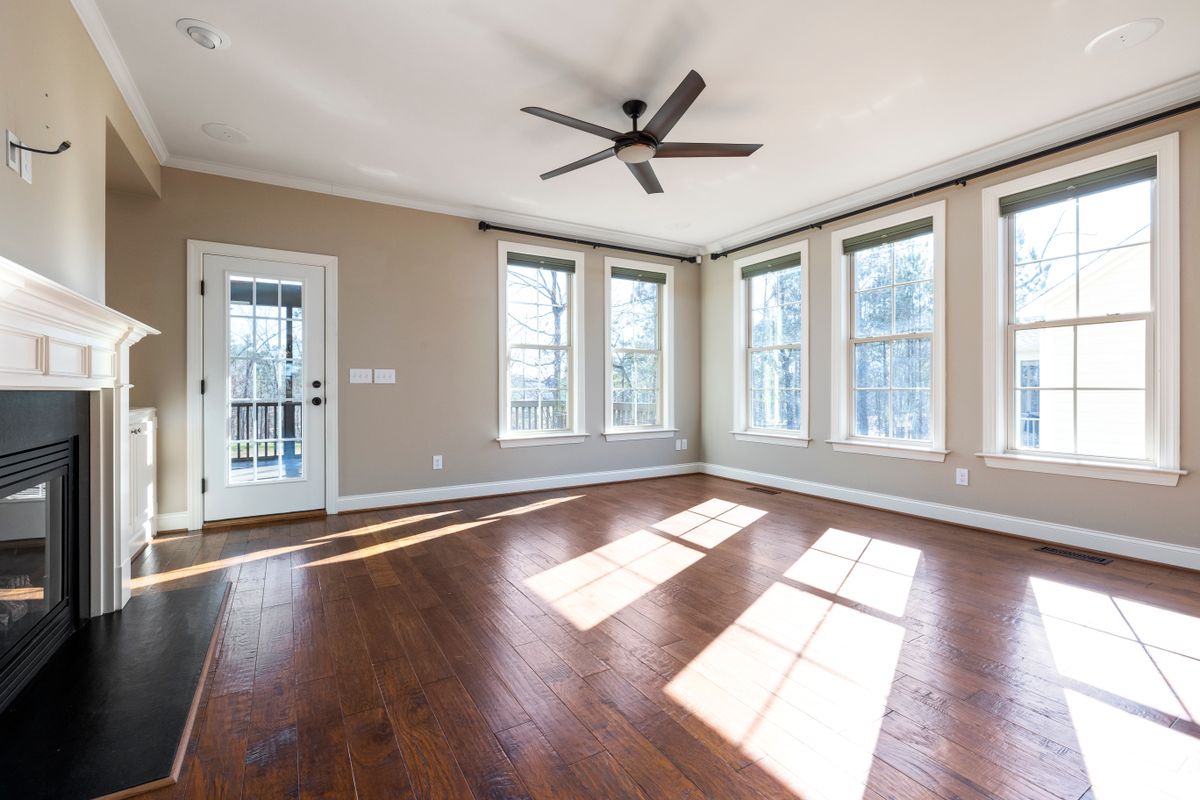
The right floor needs to work on an ordinary day, with shoes at the door, furniture moving, pets underfoot, and the occasional spill. Color matters, but it is only one part of the decision. Before choosing a new floor for your Detroit-area home, compare the room's needs, the product's installation requirements, and the full scope of the job.
Choose for the room before choosing the color
Make a short list of the spaces included in the project and how each is used. An upstairs bedroom, a busy kitchen, and a basement do not necessarily need the same flooring. Note entrances, frequently wet areas, direct sunlight, and any existing unevenness or damage so the installer can evaluate them.
Ask whether each specific product is approved by its manufacturer for the room and installation method you have in mind. Broad labels such as wood, vinyl, or tile do not tell you everything about an individual product. Review its care instructions and warranty conditions alongside the sample.
Compare samples in your own light
View a few larger samples beside your cabinets, trim, and existing furniture. Look at them during the day and under evening lighting. Pay attention to texture and pattern variation as well as color; a small sample may not show the full range of a finished floor.
Ask how the floor will meet adjoining rooms and whether changes in height affect door clearance or transitions. Choosing trim and transition details at the same time helps the finished project feel deliberate.
Include the work beneath and around the floor
A useful estimate should explain removal of the old surface, disposal, preparation, installation, trim, transitions, and any furniture or appliance handling. Ask which conditions have been checked and which may need another look once the old floor is removed.
For wood flooring, moisture conditions deserve attention. The National Wood Flooring Association explains that wood responds to changes in moisture, which can affect movement and appearance. Have the installer follow the flooring manufacturer's requirements for site conditions and preparation rather than relying on a generic waiting period.
Plan for daily care and installation day
Choose a floor with an upkeep routine you are comfortable following. For wood floors, the NWFA recommends cleaning products suited to the floor's finish and protective pads under furniture. Keep the product information and care instructions with your project records so you can use the right approach later.
Before installation begins, agree on which rooms must be cleared, how you will move through the home, where materials will go, and when the space can be used again. Ask for those details with the proposal. Comparing complete scopes is more useful than comparing material prices alone.